Bunka Knife in Walnut with High Sharpness and Precision
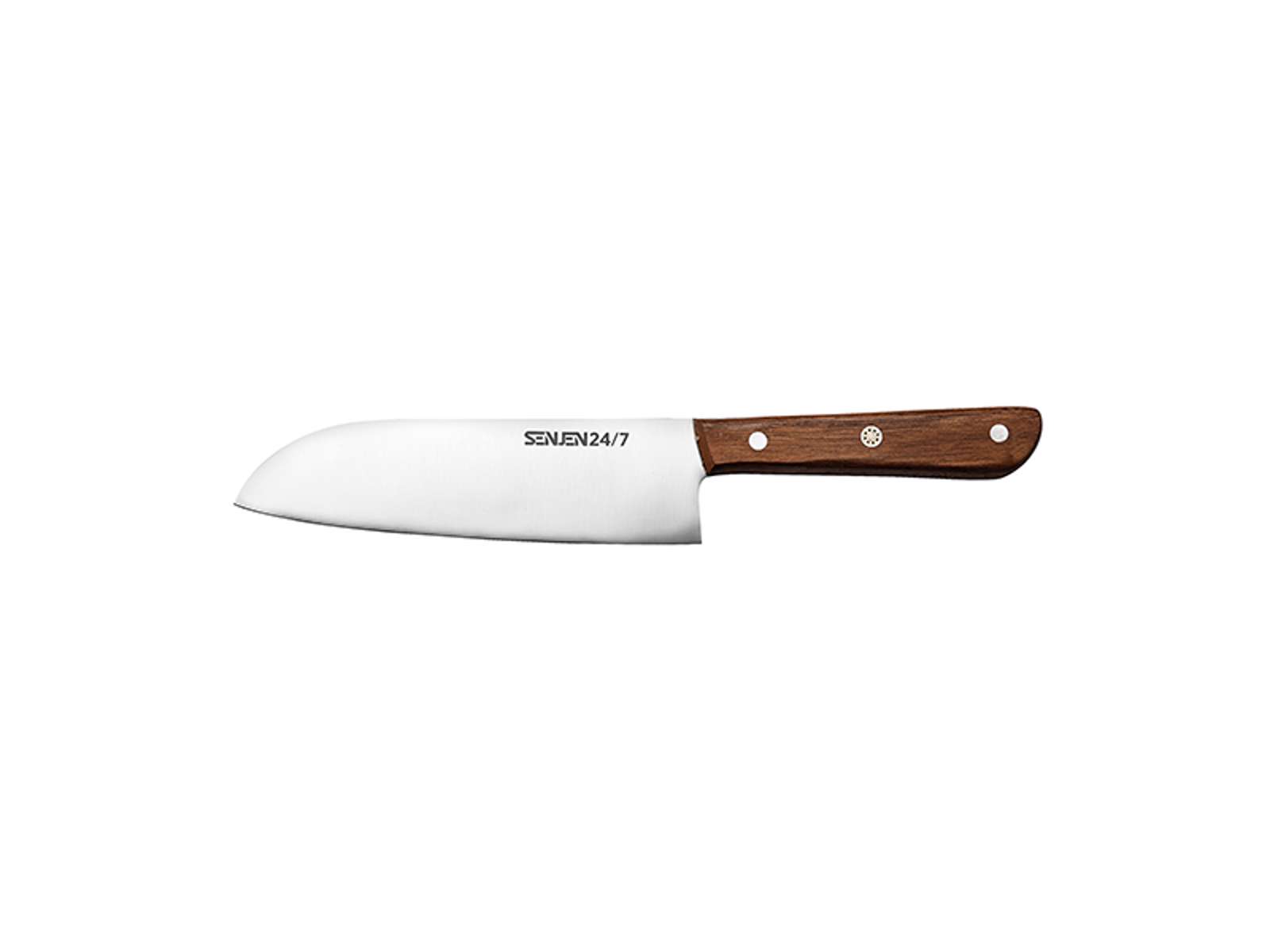
This 175 mm bunka knife features a blade in quality steel with a hardness of 55–57 HrC, ensuring excellent cutting performance and durability. The elegant walnut handle provides a comfortable grip and a natural aesthetic that combines functionality with a refined design. The knife is ideal for precision cutting of vegetables, meat and fish alike.
Sharpness and durability in perfect balance
The bunka knife's hardness of 55–57 HrC has been carefully balanced to give you the best of both worlds. The steel is hard enough to retain a sharp edge through many cutting sessions, whilst not being so hard as to make maintenance difficult. This means you can spend more time cooking and less time sharpening your knife. When the time does come to refresh the edge, it can be done quickly and easily with a standard honing steel.
Precision and comfort in the kitchen
With its 175 mm blade, the bunka knife is perfect for both fine cuts and larger tasks. The Japanese-inspired knife shape offers a good balance between weight and manoeuvrability, making it well suited to extended use without hand fatigue. The walnut handle sits naturally in the hand and provides a secure grip, even with wet hands. Each knife has small unique variations in the wood grain, making your knife a personal and one-of-a-kind tool.
Technical specifications
The blade is 175 mm long with a hardness of 55–57 HrC, providing a good balance between cutting performance and ease of maintenance. The handle is made from natural walnut, which not only looks beautiful but also provides an excellent grip. The knife's design combines Japanese precision with Western functionality, making it a versatile tool in any kitchen.
With this bunka knife you get:
- A sharp 175 mm blade with a hardness of 55–57 HrC
- An ergonomic and beautiful walnut handle
- The perfect balance between sharpness and ease of maintenance
You are always welcome to contact our customer service at web@hwl.dk for further information.
Frequently asked questions
How do I maintain my bunka knife?
Always wipe the knife dry after use and never rinse it in the dishwasher. Use a honing steel regularly and sharpen on a whetstone only when necessary.
What is the difference between a bunka knife and a santoku knife?
Bunka knives typically have a slightly more angular tip and a somewhat sturdier blade than santoku knives, but both are versatile Japanese-style knives suited to vegetables, meat and fish.
AI has contributed to this text and we therefore reserve the right to correct any errors.

 Instagram
 facebook
 Youtube
 LinkedIn