

Laguiole
Laguiole knives represent the very finest of French craftsmanship. Produced since 1859 in the heart of France near Thiers, these iconic knives combine functional elegance with over 150 years of forging expertise. The distinctive decorative details and razor-sharp blades are the result of up to 50 meticulous quality checks – from material selection to the finished product.
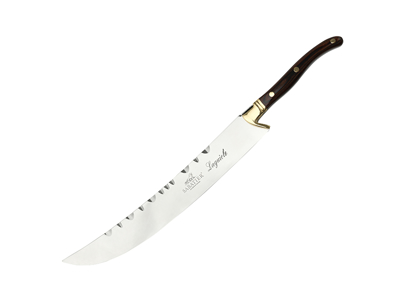
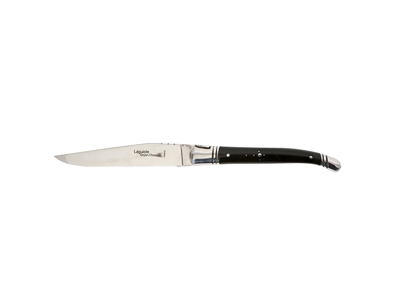
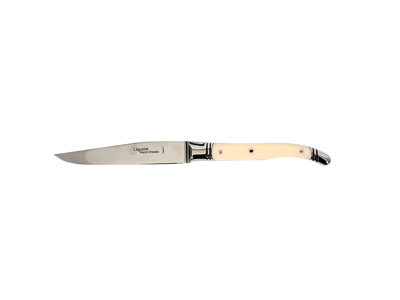
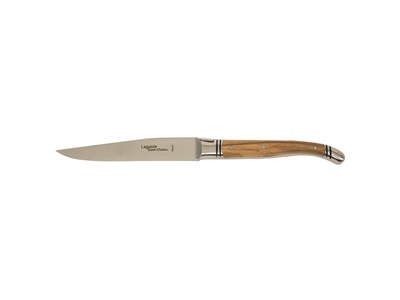
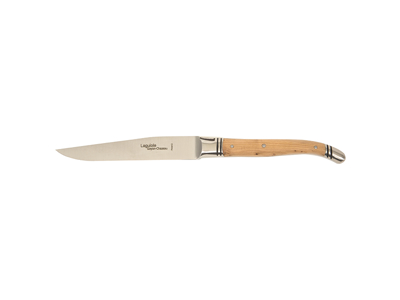
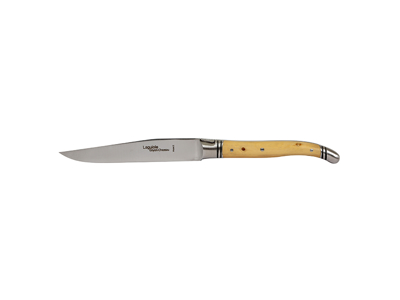
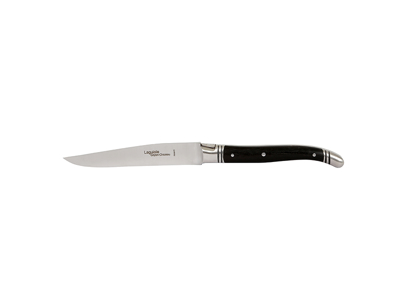
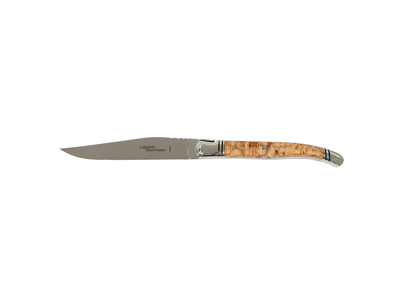
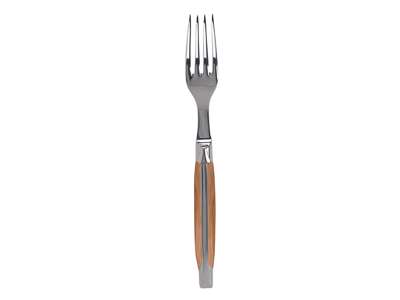
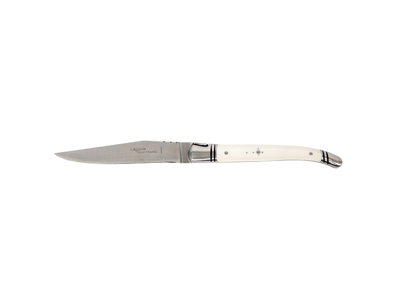
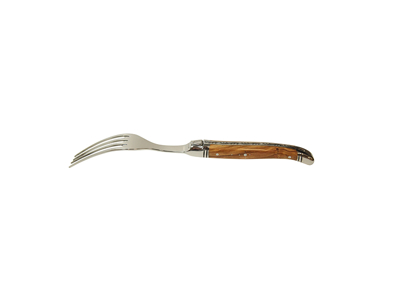
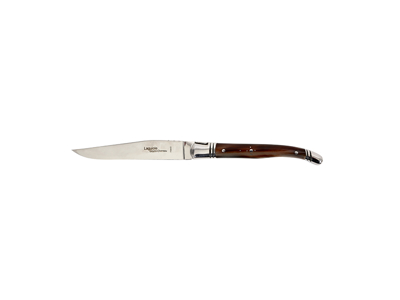
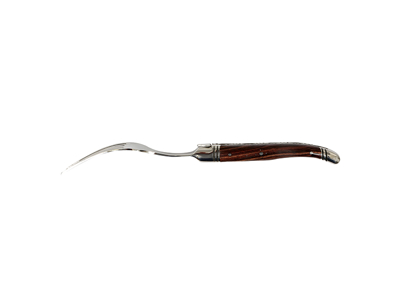
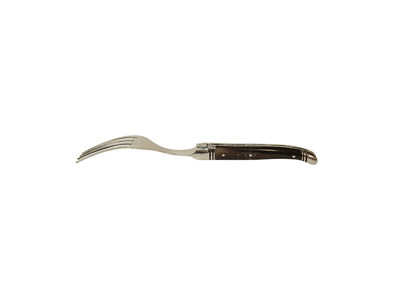
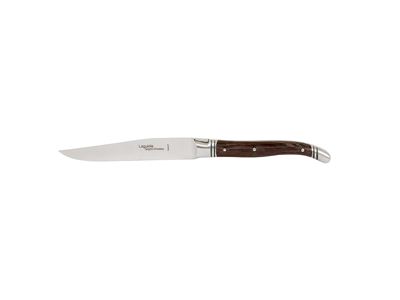
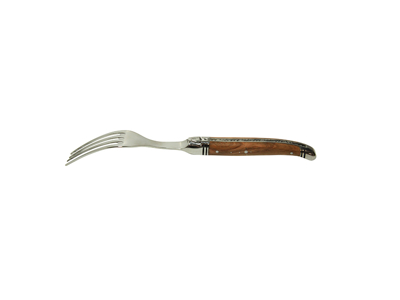
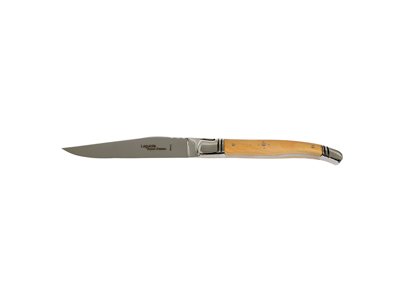
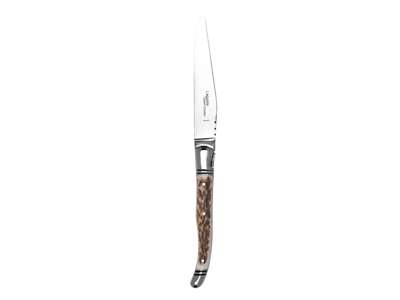
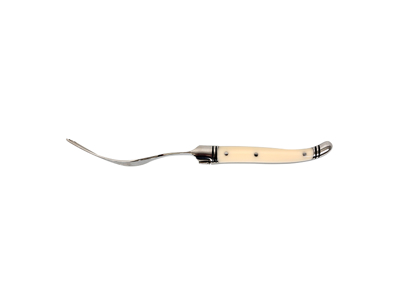
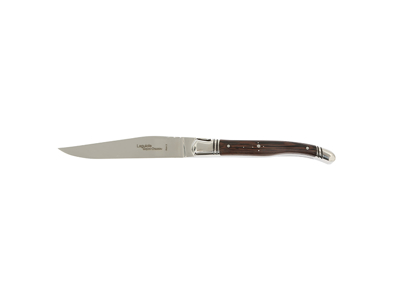
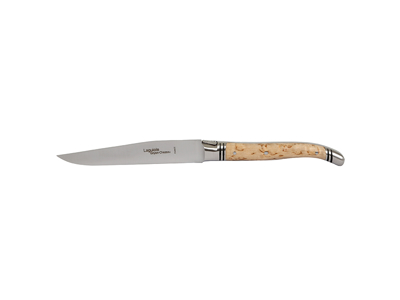
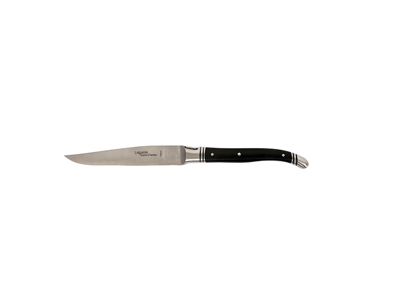
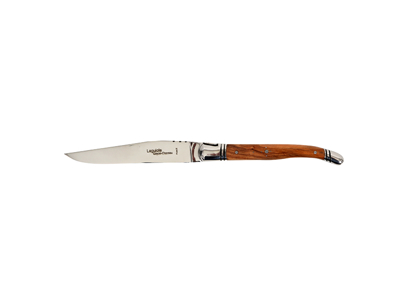
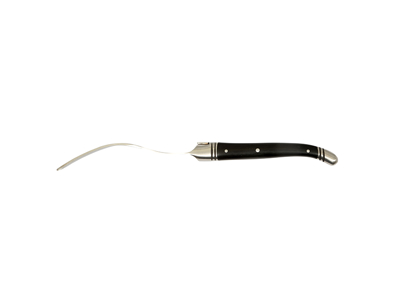
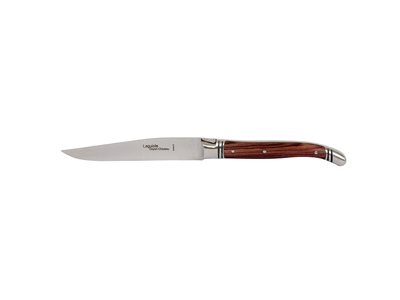
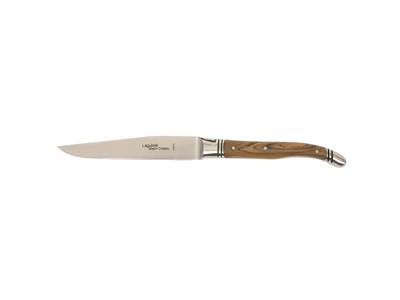
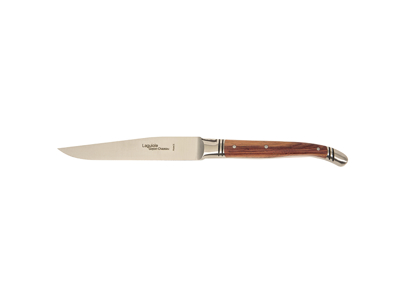
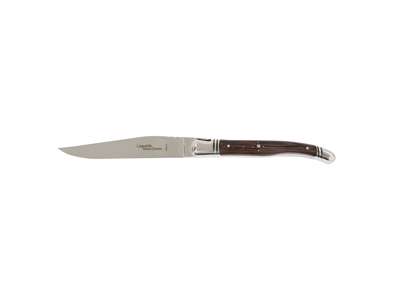
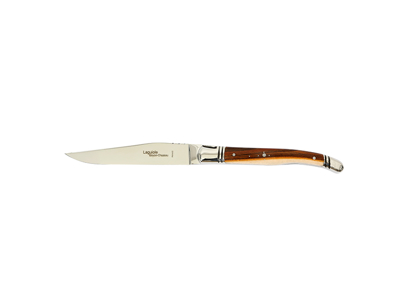
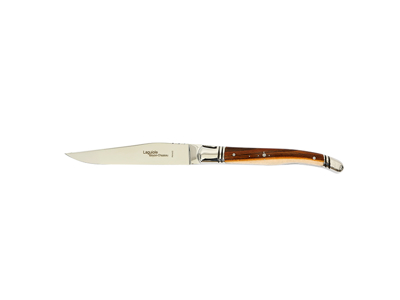
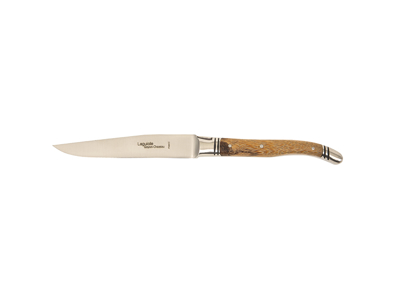
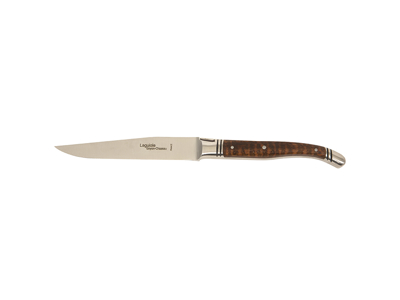
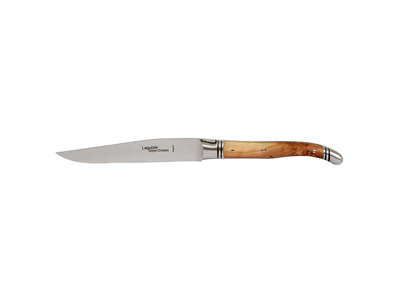
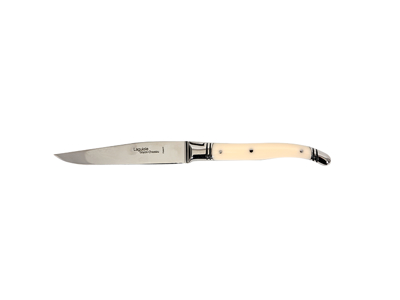
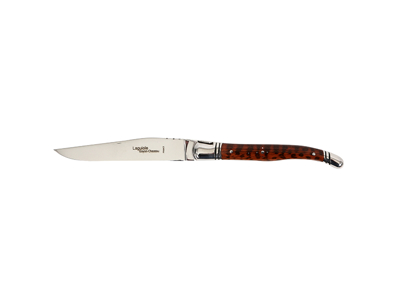
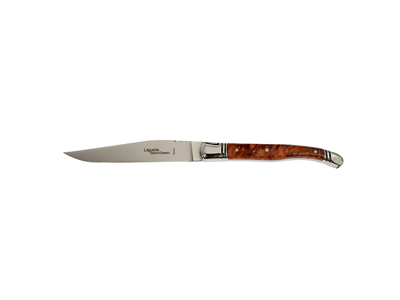
Authentic Laguiole knives
At H.W. Larsen, you’ll find a selection of genuine Laguiole knives – ideal for table settings, kitchen use and professional service. They combine traditional French craftsmanship with functional elegance, made according to forging techniques refined over generations.
Benefits of Laguiole knives
- Handcrafted quality with up to 50 inspection steps
- Iconic French design with over 150 years of heritage
- Made from carefully selected raw materials
- Ideal for professional service and fine dining
- Distinctive design rich in history
French forging tradition since 1859
The Laguiole knife originates from the village of Laguiole in the Aubrac region of southern France. The first knife was created in 1829 by Pierre-Jean Calmels, who, at the age of 16, combined the Spanish Navaja knife with local knife-making traditions. The result was a folding knife with the characteristic yatagan blade, soon celebrated for its elegant functionality.
Since 1859, André Verdier has carried on and refined this tradition near the town of Thiers – France’s historic centre of knife-making. For over 150 years, the company has been dedicated to perfecting the Laguiole knife, carefully selecting and inspecting each part through every one of the 50 production stages.
The famous bee decoration on the spring – originally part of the knife’s “fly” locking mechanism – has become a symbol of prestige and quality. Today, the tradition continues with handles crafted from horn, bone, exotic woods, and even fossilised mammoth ivory for the most exclusive models.
Professional table and service knives
Laguiole knives are not just beautiful – they are designed for professional use in kitchens, restaurants and catering. The classic three-part models, featuring blade, awl and corkscrew, became especially popular among French restaurateurs when many from the Aveyron region moved to Paris in the 19th century and came to dominate the city’s restaurant and café scene.
At H.W. Larsen, you’ll find Laguiole knives suited for fine table settings and professional service. The blades are made in a range of steel types – from traditional carbon steel to modern stainless Sandvik and Damascus steel – all offering the distinctive sharpness and durability that define genuine Laguiole quality.
The ergonomic handle design ensures excellent comfort in use, while brass or steel reinforcements at the ends significantly extend the knife’s lifespan, even under heavy professional use.
Care and maintenance of your Laguiole knives
To preserve the quality and appearance of your Laguiole knives, proper care is essential. Most importantly: never wash your Laguiole knives in a dishwasher, and do not soak or rinse them under running water. Instead, clean with a damp cloth and dry thoroughly after each use. Store in a dry place afterwards.
Stainless steel blades are the easiest to maintain and can be sharpened both at home and professionally. Carbon steel blades require a bit more care, as they naturally oxidise and develop a greyish tone – but with correct maintenance, they gain a beautiful patina over time. Handles made from horn, bone or wood should not be exposed to moisture for long periods, while aluminium or stainless-steel handles are more resistant.
FAQ
What is a genuine Laguiole knife?
A genuine Laguiole knife is handcrafted in France using traditional forging techniques, typically near Thiers. The name “Laguiole” is not protected, so it’s important to choose knives from recognised makers such as André Verdier, who has maintained this craft since 1859.
What does the insect on the Laguiole knife represent?
The bee – or “fly”, as some call it – is the knife’s most recognisable emblem. Originally part of the locking mechanism, it has become a decorative symbol of quality and prestige. Whether it represents a bee, a fly or a horsefly remains a matter of tradition and debate.
How should I care for my Laguiole knife?
Never place your Laguiole knife in a dishwasher or immerse it in water. Wipe with a damp cloth after use and dry thoroughly. Blades should be sharpened regularly, and wooden handles can be treated with olive oil if they appear dull.
Can Laguiole knives be used in professional kitchens?
Yes – Laguiole knives are designed for professional use and have been favoured by French restaurateurs for over a century. Their sharp blades, ergonomic handles and durable construction make them perfect for both kitchen work and refined table service.
What is the tradition of giving a Laguiole knife as a gift?
According to French custom, the recipient of a Laguiole knife should offer a coin in return to preserve friendship or love. It is said that a knife given as a gift might otherwise “cut” the bond between giver and receiver.
 Instagram
 facebook
 Youtube
 LinkedIn